


What Your Pet’s Urine Color Could Reveal About Their Health
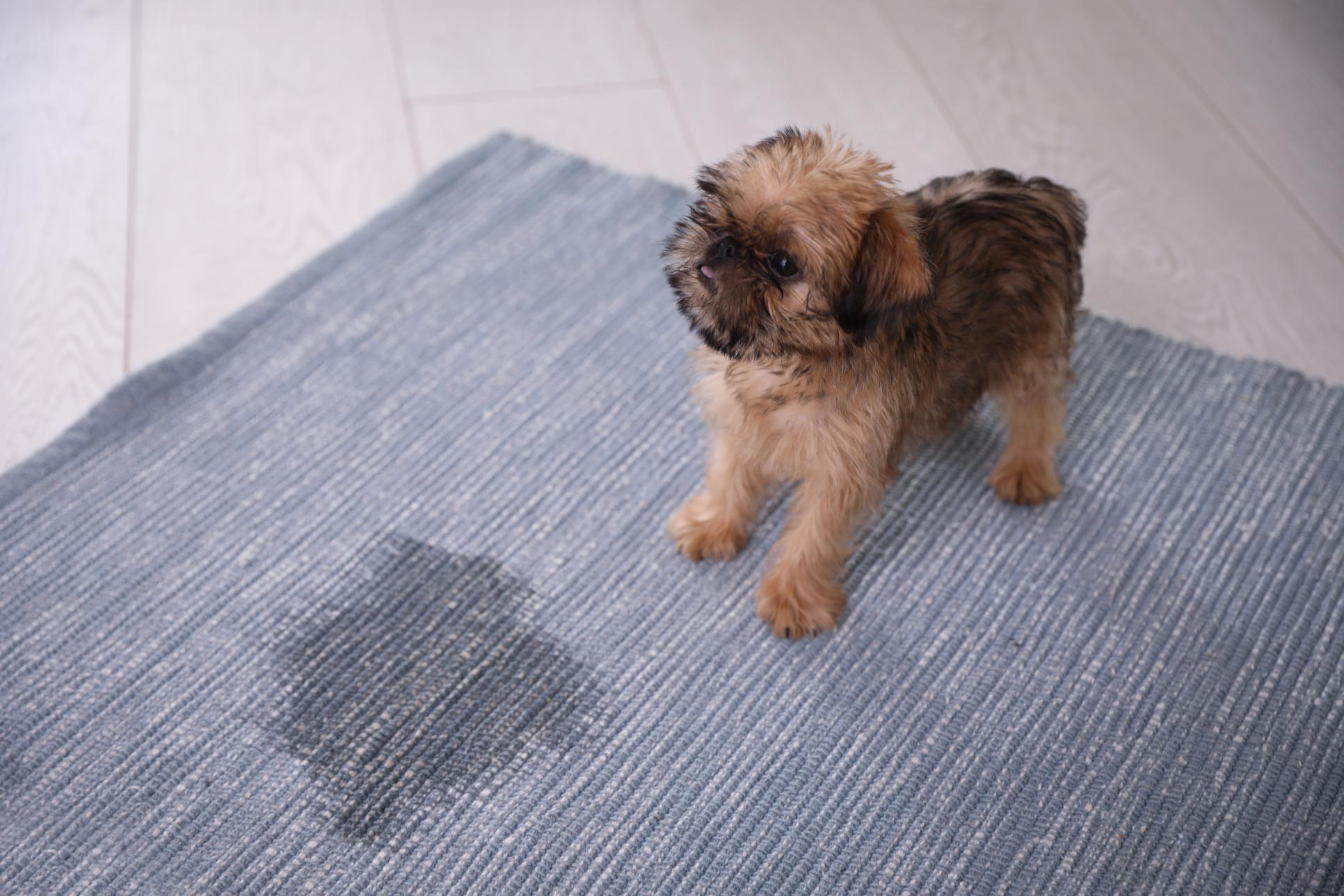
Pet parents spend plenty of time watching what their dogs and cats eat, drink, and do. But there’s another everyday clue that can offer valuable information: pet urine color.
Urine color can change with hydration, diet, medications, and certain medical conditions. While one slightly darker-than-usual puddle isn’t necessarily cause for alarm, persistent or unusual changes deserve a closer look.
For families in Southlake and surrounding communities, The Vet Gal and Guys brings veterinary care directly to your doorstep, where pets can be examined in familiar surroundings. Our mobile team can collect urine, blood, and fecal samples during an appointment, and test them in-house or send them to a partner laboratory.
What Does Healthy Pet Urine Look Like?
Normal urine in dogs and cats is typically pale yellow to light amber and clear to slightly cloudy. The exact shade varies depending on how concentrated it is, and how much water a pet has been drinking. That’s why knowing your pet’s normal bathroom habits can be useful. A noticeable shift may provide an early clue that something has changed.
What Can Different Urine Colors Mean?
Color alone can’t diagnose a health problem, but it can tell you when it’s worth paying closer attention.
- Dark yellow: Urine that is darker than usual can indicate concentrated urine, and may occur with dehydration.
- Very pale or clear: Persistently diluted urine, particularly when accompanied by increased drinking and urination, can sometimes be associated with kidney or metabolic problems.
- Pink or red: This may indicate blood in the urinary tract, and should be evaluated.
- Orange or brown: These colors can indicate substances that aren’t normally present in healthy urine, and warrant veterinary attention.
- Black or extremely dark urine: This is not considered normal, and should be evaluated promptly.
- Cloudiness: Blood cells, inflammatory cells, crystals, mucus, or other material can cause urine to appear cloudy.
Don’t Watch the Color Alone
Urine color becomes more meaningful when you consider what else is happening with your pet.
Take note if your dog or cat is:
- Drinking considerably more water
- Urinating more frequently
- Producing unusually large or small amounts of urine
- Straining or appearing uncomfortable while urinating
- Having accidents in the house
- Licking the urinary area excessively
- Acting tired or losing interest in food
When to Call the Vet
Contact your veterinarian about persistent or unusual changes in urine color, particularly when other symptoms are present.
If your pet is having difficulty urinating or repeatedly trying to urinate while producing little or no urine, contact your veterinarian as soon as possible.
A Little Puddle Can Provide a Big Clue
At The Vet Gal and Guys, veterinary care comes to the pet, making it possible to evaluate concerns, collect diagnostic samples, and begin investigating potential problems without the stress of a traditional clinic visit. Please contact us at
(817) 733-3011 if you have concerns about pet urine color or to schedule your pet’s checkup.