


Why Some Pets Struggle More With Routine Changes
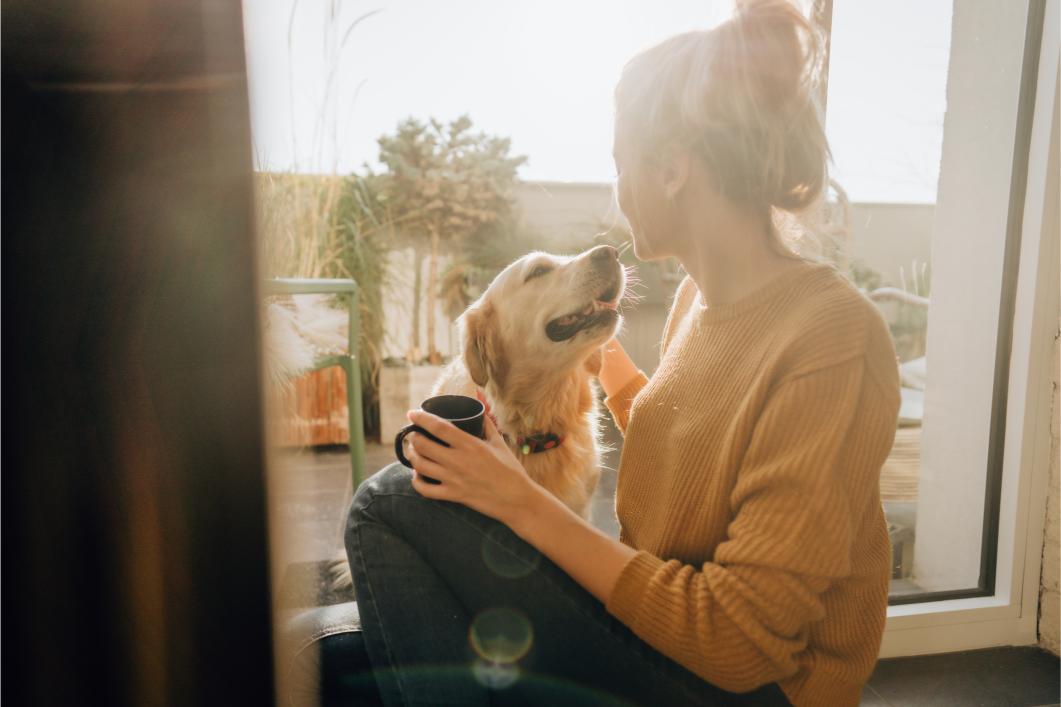
Dogs, like humans, appreciate routine, and a break in routine can be a lot more disruptive than you might expect. But why are some pets like this? Why do some react so strongly to stress triggers, and how can pet parents help?
The team at The Vet Gal and Guys is here to offer some veterinary guidance on behavior changes that happen when a pet’s routine is disrupted.
Why Does Routine Change Cause Pets Stress?
If your pet could talk, she’d tell you that she loves nothing more than a set schedule. The more you can structure her day—offering food, water, outdoor exercise, and play at consistent times—the better.
Your pet will very quickly pick up on the routine and look at you expectantly if you’re even a minute late on a set activity. Trust us: we have experienced this firsthand with our pets at home! Pets are smart, and they rely on stability and structure to feel safe. They like knowing what comes next in their day.
If you deviate from the schedule, they’ll feel some serious stress.
The stress grows with the size of the routine change. Missing one morning walk probably won’t have a giant impact, although your furry friend might be disappointed. But a routine change like a move to a new house, travel to a family member’s home, or a new baby can trigger some major uncertainty for Fido or Kitty.
Cue the anxiety, clinginess, digestive upset, sleep interruptions that signal deep stress.
While you can’t avoid every potential stressor your pet will ever face, you can get to know his triggers and help him work through these.
Identifying Stress Triggers in Pets
The most common stress triggers include:
- Moving to a new house or apartment
- The changing of seasons
- Traveling, including road trips, flights, or boarding experiences
- Rearranged furniture or disruptive home renovations, especially if they involve strangers coming into the home
- Changes in pet parents’ work schedules
- Kids returning to school or starting a summer schedule
- Loss of a companion animal
Obviously, most of the things on this list happen to households on a regular basis. They’re unavoidable, and you certainly don’t have to avoid them in order to keep your dog happy. What you can do is maintain the framework of your dog’s schedule despite the trigger.
For example, if you travel, work on keeping feeding, exercise, play, and sleep times as consistent as possible with what they are when you’re at home.
If you’re dropping your pet off at a boarding service, inform the caregivers of your pet’s routine and request that they follow it as closely as possible.
For pets that continue to struggle with stress and anxiety following a routine change, a veterinary visit may be in order.
The caring team at The Vet Gal and Guys can come to your house with our mobile veterinary service to provide your pet with personalized care. Whether you want us to evaluate your pet’s environment or offer treatment for separation anxiety, we’re here to help.
Call us at (817) 733-3011 to schedule a visit today.